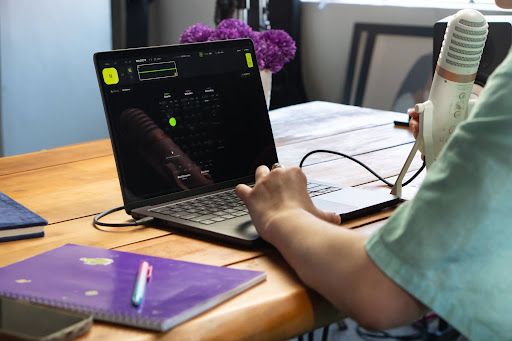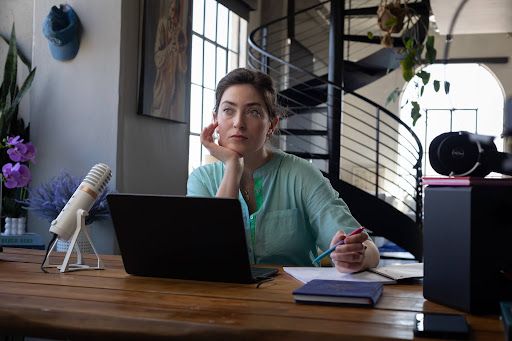
Learning how to stop overthinking music can start with setting a clear point where a song is finished. Limiting revisions, defining the track's purpose, and setting decision deadlines can prevent endless tweaks from replacing progress.
You may know the feeling. You have played the same chorus so many times that it no longer sounds like music. You nudge the snare, then nudge it back. The mix seemed fine a few versions ago, and now you are not sure.
If you have ever asked yourself, "Why do I overthink my music?" This guide is for you. Overthinking may be a sign that you care about the result, and that care is worth keeping. It can become a problem when a song stays stuck in a loop of tweaks and doubts.
What Does Overthinking Your Music Look Like?
Overthinking your music can look like going in circles: changing the same parts, doubting your choices, and struggling to call a track done. Going over the same problem again and again often does not solve it. Some of these signs may sound familiar.
Constantly Changing Parts of a Song
You may be overthinking if you keep changing parts and the song gets different, not better. Maybe you re-record the same vocal line, swap the same drum sound, or rearrange a section you already liked.
Try a quick check. Compare today's version with last week's. If you cannot say what improved, the changes may not be helping.
Struggling to Decide When a Track Is Finished
A track can feel unfinished when nothing tells you it is done. Each time you listen, you find one more thing to adjust, and the list can start to feel endless. Without a clear finish line, any tweak can seem worth making. The fixes below start there.
Comparing Your Music to Other Artists
You might switch between your track and someone else's release, then feel behind. A good session can quickly turn into a list of everything your song is not. It can happen right when you need to make a decision, which makes that decision harder.
Second-Guessing Your Creative Decisions
Second-guessing can feel like this: a choice seems right, then wrong by the next listen. A song you loved last week suddenly sounds off. You ask friend after friend whether the chorus works, and you still feel unsure.
Each new opinion can add one more thing to think about instead of settling the question.
How to Stop Overthinking Your Music
Clear limits can help: knowing what each track is for, limiting your changes, setting a date, and trusting your first reaction. Small rules take pressure off each decision, which can make finishing feel easier.
Set a Clear Goal for Each Track
Write down what the track is for and what "done" looks like. It might be a rough demo, a song you plan to release, or practice for a new skill. Each one has a different finish line.
A demo may not need the same polish as a release. Knowing that up front can save time and second thoughts.
Limit How Much You Change
Decide in advance how many rounds of changes you will allow, and write it down. That gives you a point where changing stops and finishing starts. A few habits can make it easier:
- Save a version after each round. Naming files "Song\_v1," "Song\_v2," and so on means you can go back if a change does not work.
- Change one thing at a time. That way, you can hear what each change does.
- Keep a "later" list. Write down ideas that come up mid-round instead of trying them right away.
Set a Deadline for Decisions
Give each decision a date. Self-set deadlines can help you stop putting things off, though deadlines set by someone else can work better for performance.
That is a good reason to share yours. Tell a friend or collaborator when you plan to finish, and ask them to check in. A simple message like "I will finish this by Sunday" can make the deadline feel real.
Trust Your Creative Instincts
If you want to know how to stop second-guessing your music, start with your first reaction. Notice how a part felt the first time you heard it, before you started analyzing it. Your first reaction is not the last word, but it can be useful information. It can help you tell a real problem from a passing doubt.
Accept That Not Every Track Needs to Be Perfect
If you are wondering how to stop trying to make music perfect, start by seeing each track as one step. It is not a measure of your ability. A finished track that teaches you something has still done its job.
Why Do Musicians Overthink Their Music?
Overthinking can start with caring a lot about the work. A few thought patterns can turn that care into pressure: very high standards, comparison, fear of judgment, and too many options. Spotting them is not a criticism of you. It just makes the fix easier to choose.
Trying to Make Every Detail Perfect
Perfectionism is the tendency to demand an extremely high, even flawless level of performance from yourself. That standard goes beyond what the situation requires. In music, there can be one more detail to fix, so a track may never quite feel done.
High standards on their own are not necessarily the problem. The difficulty seems to come when falling short feels very stressful. You also know every layer of your track, so small flaws can feel louder to you than they might to a new listener.
Comparing Your Work to Other Artists
You hear your own unfinished work up close. Other people's releases usually arrive finished and polished. It can feel like comparing your draft with someone else's final version. Social media can add to this. Part of the reason may be more exposure to comparisons with people who seem to be doing better.
Worrying About How Listeners Will React
Music is personal, so sharing it can feel risky. When you picture people judging the song, it can feel safer to keep working on it than to let anyone hear it. Tweaking becomes a way to delay that moment. It can help to remember that a finished song gives you real reactions to learn from, instead of imagined ones.
Having Too Many Creative Choices
Modern music software comes with many sounds, plugins, and presets, and that can make each decision harder. This is more likely when the choice is complex, and you are unsure what you want. The effect depends on the situation. Overthinking music production can look like spending a whole session auditioning sounds and never getting to the song. Starting each track with a small set of sounds may make decisions quicker.
How to Finish a Song Without Overthinking It
Learning how to finish songs without overthinking can come down to treating finishing as its own stage. You stop adding ideas, fix only what you can name, listen once away from your project, and make a call.
- Lock the arrangement. Stop adding new parts. From here on, you are fixing, not creating.
- Make a short fix list. Write down only the problems you can name, such as a vocal that clips or a section that drags. Work through the list once. If a change is not on the list, it can wait for the next song.
- Listen away from your project. Export the song and play it on headphones, your phone, or in the car. Note anything that bothers you as a listener, not as the person who made it.
- Make the call. Release it, share it with someone you trust, or save it and start the next song.
For what comes after, How to Turn an Idea Into a Finished Song covers recording, mastering, and releasing.
How to Use Feedback Without Overthinking Your Music
Decide what you want to learn, then ask a few people you trust a specific question. Look for patterns instead of reacting to every comment. Feedback can be more useful when it has a clear job.
- Decide what you want to learn. Choose what would make you change something, so you are not rewriting after every comment.
- Choose a few people. A small group you trust is easier to sort through than a crowd.
- Ask a specific question. "Does the chorus feel too long?" gets a more useful answer than "What do you think?"
- Look for patterns. If several people point to the same spot, it is worth a look. If one person's taste differs, you can note it and move on.
How to Build a More Confident Music-Making Process
Confidence can grow when you finish songs and look back at what you learned, rather than waiting until you feel ready. A steady process gives you small proof that you can do it.
- Focus on Progress Over Perfection
Measure yourself against your own earlier songs instead of other artists' releases. Keep a folder of finished tracks and listen back every few months to hear how far you have come. Being kind to yourself along the way can help too. Treating yourself with compassion after a mistake can make you more motivated to improve.
- Give Yourself Room to Experiment
Set aside sessions where nothing has to be kept. Open a fresh project, play, and see what happens. When you know a session will not be judged, ideas can come more freely. Save the good bits and delete the rest later.
- Create More Before Judging Your Work
Wait until a track has a beginning, a middle, and an end before you decide whether it is good. A loop on its own is hard to judge. Then make a few songs before you choose which ones deserve extra polish. Looking at several side by side can show you what you do well.
- Learn From Finished Songs
After you finish a song, write a few notes: what worked, what was hard, and what you want to try next time. Those notes turn each finished song into practice for the next one.
Move From Overthinking to Releasing With Yamaha Creator Pass
Some of the steps above get easier once the next step is already lined up for you. Yamaha Creator Pass connects a couple of them, so a finished song has somewhere real to go, and a real reason to stay finished.
- LANDR: Growth and Pro Pass include LANDR AI mastering, so the final polish doesn’t become another round of second-guessing. LANDR distribution then sends your track to 150+ music stores, including Spotify and Apple Music, and you keep 100% of your royalties. A release date gives the song a finish line.
- Groover: Send your track to curators, blogs, radio stations, and labels with Groover credits. Growth Pass includes 4 credits a month, and Pro includes 10 with no monthly cadence. Groover guarantees a response within seven days, so feedback has a clear endpoint.
Now that you know how to stop overthinking music, start a 7-day free trial of Yamaha Creator Pass. Take your next song from idea to release. LANDR distribution and Groover credits become available once your paid subscription starts.
Frequently Asked Questions
Why do I overthink every song I make?
It may be because your songs matter to you. If it happens on every song, look at the reasons above and see which one sounds most like you. Then try one fix from the section on how to stop overthinking.
If overthinking spreads beyond music, or starts to affect your sleep or mood, it can help to talk with a doctor or therapist.
How do I know when my song is good enough?
A song is likely good enough when it does what you wanted it to do. That is easier to judge if you wrote down a goal before you started. If you did not, ask yourself what the song is for, and whether it does that.
How can I stop trying to make my music perfect?
Perfect is hard to define, so it can help to ask "What is the next step?" instead of "Is it perfect?" That keeps you moving forward instead of back into the same edits.
Why do I keep starting songs but never finish them?
Starting is exciting because everything is still possible, while finishing means making final choices. Finishing a shorter or simpler version first can make that step feel smaller.
Should I get feedback before I finish a song?
It can help to ask about one big question early, such as whether the main idea comes through. Detailed feedback often makes more sense once the song is finished. Comments on a rough draft can send you back to rework parts that were still changing.