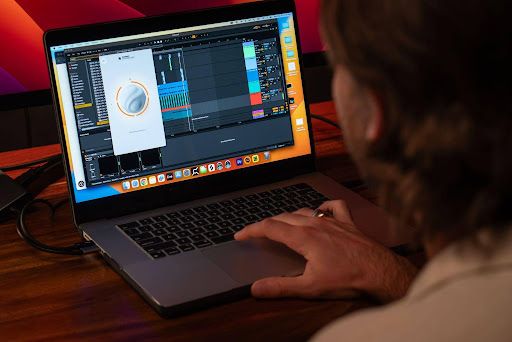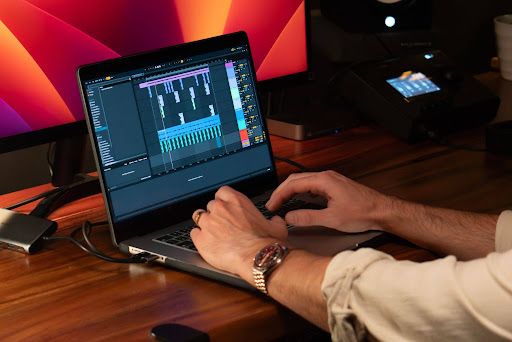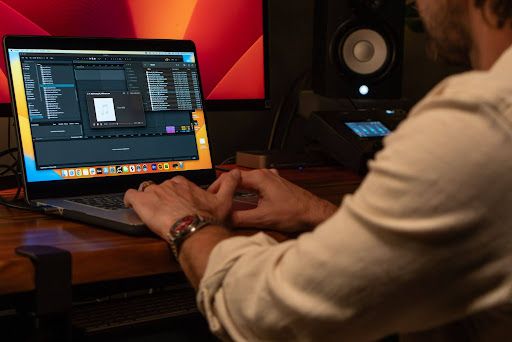
Mixing a song typically takes 4–8 hours for a prepared, moderately complex production. A simple vocal-over-beat or acoustic song may take 2–4 hours, while a dense production with 30 or more tracks can take 8–20 hours or longer across several sessions.
This guide covers typical mixing times by song type and stage, what affects song mixing time, how to prepare so mixing goes faster, and how mixing time compares with mastering.
How Long Does Mixing a Song Take?
The average time to mix a song depends on its track count, recording quality, and the mixer's experience. For an experienced mixer working on edited, well-recorded tracks, typical hands-on times are:
- Simple productions (2–4 hours): About 8–15 tracks, such as vocals over a finished beat or a voice with acoustic guitar or piano. It often requires basic balancing, EQ, compression, and effects.
- Moderately complex productions (4–8 hours): About 16–30 tracks. For example, a straightforward 24-track rock recording can take 4–8 hours for the initial mix, plus an hour or two for adjustments.
- Complex productions (8–20 hours): 30 or more tracks, such as layered full-band or pop arrangements. These usually need several sessions for detailed processing, automation, and revisions.
- Large commercial productions (2–3 days): Large commercial productions with extensive programmed parts, overdubs, and demanding tonal or dynamic requirements can take considerably longer.
When estimating song mixing time, consider both the hours spent working on the audio and the time needed to complete the project.
Typical Time Breakdown for Mixing a Song
A mixing session usually moves between preparation, corrective work, instrument and vocal balancing, automation, and final checks. The allocations below illustrate how approximately four to eight hours could be scheduled for a mostly edited song with vocals.
| Mixing Stage | Illustrative Time | What It Involves |
|---|---|---|
| Session Preparation | 30–45 minutes | Importing and aligning files, naming tracks, setting up buses and references |
| Core Instrument Mixing | 1–2 hours | Balancing drums, bass, guitars, and synths; EQ, compression, and panning |
| Vocal Mixing | 1–2 hours | Managing lead and backing vocals, dynamics, sibilance, and effects |
| Balance & Automation | 1–2 hours | Refining sections, vocal rides, effect sends, and transitions |
| Review & Revisions | 1–2 hours | Mono and playback checks, reference comparison, and final export |
If the tracks still need editing, such as fixing clicks, fades, timing, pitch, or phase, allow another 1–3 hours before mixing starts, or more for heavy drum editing or vocal tuning.
What Happens During the Mixing Process?
The mixing process typically involves four stages: preparing and organizing the session, balancing levels and creating space, shaping individual sounds, and adding automation and finishing details. These stages help bring separate audio tracks into a balanced mix, although some adjustments may overlap or need to be revisited.
Preparing and Organizing the Session
Begin by importing the audio files into your digital audio workstation (DAW) and checking that they're correctly aligned. Organizing the tracks and checking their audio quality makes it easier to work on the mix without interruptions.
The main preparation tasks include:
- Track organization: Name tracks clearly, identify mono and stereo recordings, and group related instruments.
- Routing: Send related tracks to a shared bus, such as a drum bus, to control their combined level or apply processing.
- Source checks: Identify missing audio, unwanted noise, clipping, and phase problems. Check that individual multitracks are separate audio parts, while stems contain grouped audio parts.
Balancing Levels and Creating Space
Once the session is organized, begin balancing the volume and stereo position of each track. This creates a static mix, an initial balance made mainly with volume faders and panning before detailed automation.
Next, check whether instruments are competing for the same frequencies. This is called frequency masking, where one sound makes another harder to hear.
For example, the kick drum and bass may compete in the low frequencies, while guitars or keyboards may cover the lead vocal. Adjusting volume and panning can create more space before applying additional processing.
Shaping Individual Sounds
With the basic balance established, use audio processing to adjust the tone, dynamics, and character of individual sounds. The processing depends on what each instrument or vocal needs within the full mix.
Common techniques include:
- EQ and filtering: Reduce unwanted low-frequency rumble and adjust competing frequencies while preserving the sound's natural character.
- Compression: Control dynamic range using settings such as threshold, ratio, attack, and release. Clip gain can also balance uneven levels before compression.
- Vocal processing: Use de-essing to reduce harsh consonants, pitch correction where needed, and serial compression to control vocal dynamics across multiple compressors.
- Sidechain processing: Use a kick drum signal to trigger compression on the bass when needed. Dynamic EQ can reduce specific competing frequencies instead of affecting the entire signal.
Adding Automation and Finishing Details
After shaping the individual sounds, refine how the mix changes throughout the song. Automation lets you adjust volume, panning, and effect settings at specific points during playback.
This final stage commonly includes:
- Volume rides: Adjust vocal or instrument levels across different sections so important parts remain audible.
- Effect automation: Increase delay at the end of a vocal phrase, adjust reverb levels, or change filters during transitions.
- Final checks and export: Listen for clicks, missing audio, and unwanted level changes. Check the beginning and ending, then export the completed stereo mix in the required audio format.
What Determines How Long a Song Takes to Mix?
Song mixing time depends mainly on five factors: source quality, arrangement density, the recording setup, vocal complexity, and the mixer's experience. Track count is a rough guide, but corrective work can outweigh it.
For example, a small live recording with heavy mic bleed can take longer than a larger electronic project whose sounds are already well prepared.
The main factors affecting song mixing time are:
- Source quality: Clipping, room noise, loose timing, and unwanted microphone bleed may need editing or re-recording before effective mixing.
- Arrangement density: Similar sounds competing in the same frequency region demand more careful separation.
- Recording setup: Multiple microphones on drums can introduce phase interactions that weaken certain frequencies when their signals are combined.
- Vocal complexity: Lead vocals, doubles, harmonies, and ad-libs require different levels, routing, and processing.
- Experience: An experienced mixer makes decisions faster. Someone learning to mix can take several days for a song a professional would finish in one.
- Revisions: Unclear references, new production requests, or repeated rounds of feedback extend delivery, even when the hands-on work is done.
How Long Does It Take to Mix Different Types of Songs?
Simple acoustic recordings often take 2–4 hours to mix, layered pop or electronic songs around 3–6 hours, and rock and full-band songs 4–8 hours or longer. Dense productions with 30 or more tracks can take 8–20 hours across several sessions.
Simple Acoustic or Singer-Songwriter Tracks
Simple acoustic or singer-songwriter songs typically take 2–4 hours to mix when the recordings are clean, and the arrangement has few instruments.
With a lead vocal and acoustic guitar or piano, mixing mainly involves balancing levels, removing unwanted low-frequency rumble, and applying gentle compression to control volume changes. Reverb can add a natural sense of space. If the instruments and vocals were recorded together, microphone bleed may require additional attention.
Pop and Electronic Productions
A layered pop song may take 3–6 hours to mix. Electronic tracks whose sounds were shaped during production often fall at the lower end of that range, while productions with extensive vocal layers and detailed effects may take longer.
Mixing often involves balancing programmed drums, synthesizers, bass, and vocals. Vocal tuning, alignment, and automation may add time when they haven't been completed during production. Sidechain compression or dynamic EQ can help separate the kick and bass, while volume and effect automation can control transitions, buildups, and drops.
Rock and Full-Band Recordings
Rock and full-band songs can take 4–8 hours or longer to mix, especially when they contain live drums, amplified guitars, bass, and layered vocals.
Multiple drum microphones require careful phase checks because differences in timing and polarity can affect the combined sound. EQ and compression help balance the kick and bass, while guitar panning and frequency adjustments create space for vocals. Saturation may also be used to shape guitar or drum tone.
Complex Productions With Many Layers
Complex productions, such as orchestral arrangements, extensive vocal stacks, or heavily layered electronic sounds, often run to 30 or more tracks and may need 8–20 hours over several sessions. Large commercial productions can take 2–3 days when the sonic requirements are particularly demanding.
The extra time usually goes to organizing parts into buses, separating overlapping frequency ranges, managing stereo width and depth, and automating changes through the song. Check phase relationships and make sure the lead elements stay clear in dense sections.
How Can You Make Mixing Take Less Time?
Most of the time you can save comes before the mix starts. Finish the arrangement, organize and clean up the tracks, fix recording problems, and agree on references and expectations.
Here are four ways to prepare your song and avoid unnecessary mixing time:
- Finish the Arrangement Before Mixing: Settle major sections and instrument choices where practical. Adding new parts halfway through can require rebuilding the balance.
- Clean Up and Label Your Tracks: Supply aligned files with meaningful names, useful takes, clean fades, and clear folders. Keep any required dry versions alongside creatively processed parts.
- Resolve Recording Issues Early: Comp the best takes, address pitch and timing problems, and check noisy or distorted recordings. Re-recording severely clipped material may be more effective than attempting repair during mixing.
- Share Clear References and Expectations: Describe the desired vocal prominence, low-end character, effects, file delivery, and revision process. Compare reference tracks at similar playback loudness to avoid misleading comparisons.
When Should You Stop Mixing a Song?
A mix is ready to finish when the intended lead elements are clear, the balance holds across sections, and another adjustment doesn't solve an identifiable problem. A short listening break can help distinguish a real fault from fatigue or overthinking.
Before approving the final version, check:
- Musical balance: Lead elements remain intelligible, supporting parts fit the arrangement, and transitions feel intentional.
- Technical integrity: No unintended clipping, clicks, missing audio, or distracting changes in level.
- Stereo and mono playback: Important instruments remain audible when left and right channels are combined; unexpected cancellation may indicate phase concerns.
- Translation: The overall balance is sensible on your available headphones and speakers, and a level-matched reference supports the intended direction.
Common Mistakes That Make Mixing Take Longer
Unfocused decisions can add unnecessary revisions even to well-recorded songs. Common mistakes that increase mixing time include:
- Adding EQ and compression before you've set a static balance with faders and panning.
- Auditioning plugin after plugin to fix a problem that a level change or a re-recorded part would solve.
- Changing several settings at once without saving versions, so you can't tell which change helped.
- Mixing for hours without breaks, until ear fatigue makes harshness and low end hard to judge.
- Reworking finished mixes again and again instead of moving on to the next song.
Mixing Time vs. Mastering Time
Mixing normally involves more separate decisions than mastering because it works with individual parts, while mastering usually works with the finished stereo mix. The tasks are distinct, although neither has a fixed duration.
What Mixing Addresses
Mixing shapes relationships between the original audio parts: track levels, panning, frequency masking, dynamics, effects, and automation. You can turn down a guitar or change only a lead vocal because these tracks remain separate. The output is usually a stereo mix for mastering.
What Mastering Addresses
A Mastering evaluates the completed recording and adjusts its overall tone, dynamics, loudness, and delivery quality. It may also check sequencing and consistency across an EP or album. Stem mastering uses grouped exports when extra control is needed.
Why They Are Separate Stages
A stereo master usually can't independently repair an overly loud snare or buried vocal, so those changes belong in the mix. The final mix should preserve useful dynamics and avoid unintended clipping; mastering then prepares the finished recording for its release format.
Move From Mixing to Release With Yamaha Creator Pass
Take your track closer to release with Yamaha Creator Pass. Use Cubase 15 AI to refine your musical ideas, explore 80,000+ samples with Output Arcade, access over 3 million loops and one-shots with LANDR Samples, polish your mix with LANDR AI Mastering, and access LANDR distribution to 150+ music stores.
Use Groover credits to pitch your music to curators, blogs, and labels. The Growth Pass includes four Groover credits, while the Pro Pass includes ten. LANDR distribution and Groover credits are available once your paid subscription begins.
Start your 7-day free trial today and explore the tools to take your music from finished mix to release.
Frequently Asked Questions
How long does it take to mix a song professionally?
A professional mix of a well-prepared song typically takes about 4–8 hours of hands-on work, often spread over more than one session. With feedback and revisions, delivery usually takes a few days.
Can a song be mixed in one day?
Often, yes. An experienced mixer can usually mix a song with clean, organized recordings and a finished arrangement in one working day. Songs that need heavy editing, many layers, or several rounds of feedback usually need more sessions.
Why do some songs take much longer to mix than others?
Some mixes take longer because the recordings need more editing or the arrangement has competing sounds. Multiple drum microphones, complex vocal layers, frequency masking, detailed automation, and requested changes can each add extra work.
How many hours should I spend mixing before taking a break?
Take a 10-minute break roughly every hour to help prevent ear fatigue. Keep monitoring levels comfortable, and rest sooner if your hearing feels tired or judgments become uncertain.
How long does mixing take compared with mastering?
Mixing a well-prepared song typically takes 4–8 hours, while mastering usually takes 30–90 minutes. Mixing involves adjusting individual tracks, whereas mastering refines the completed stereo mix. Complex arrangements, corrections, or revisions can extend either process.